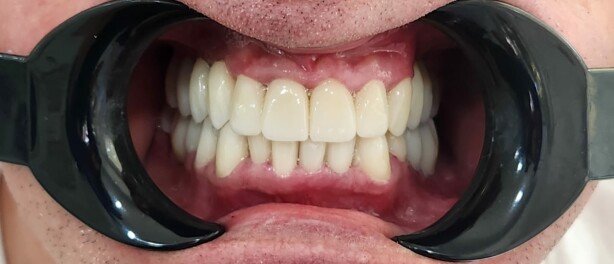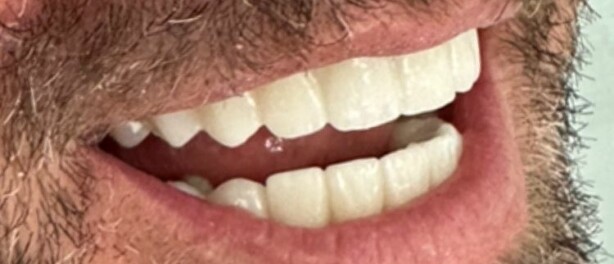
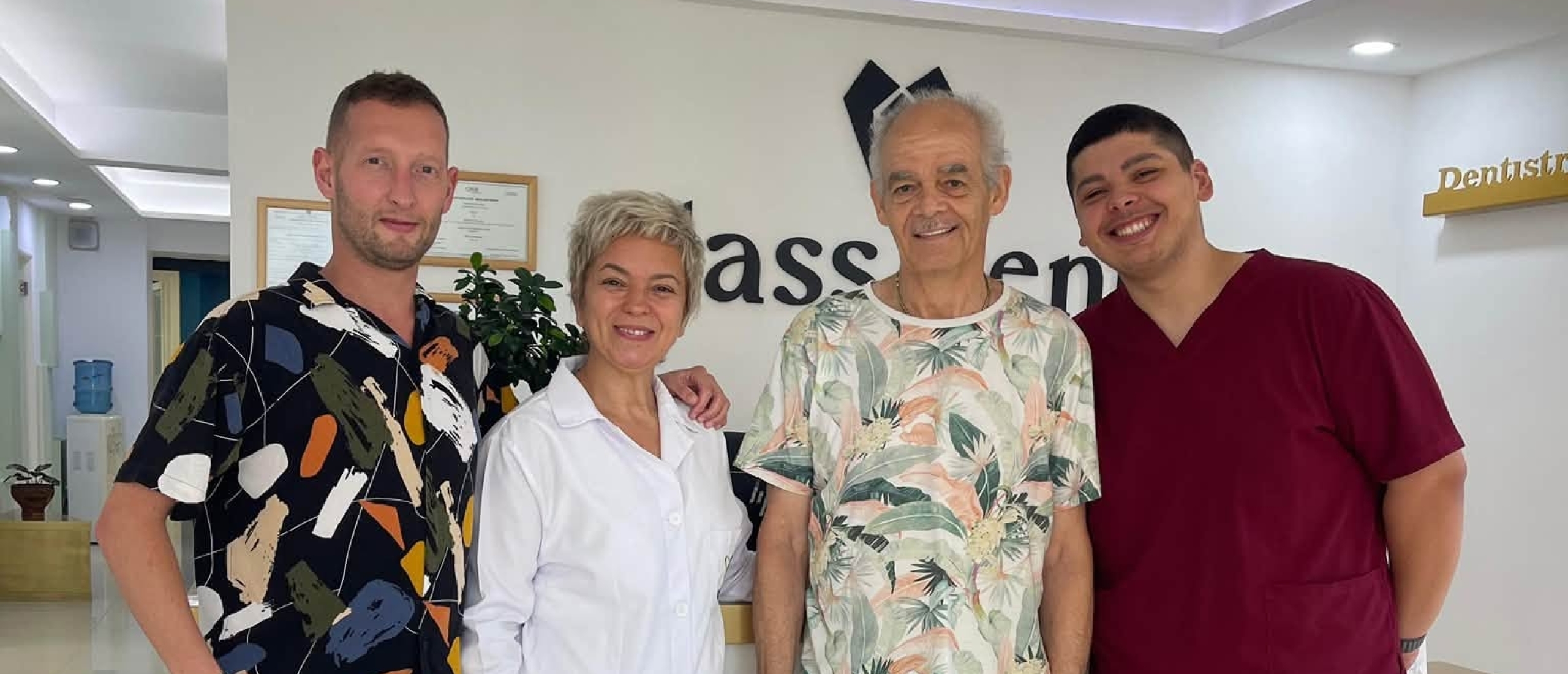

Considering dental implants, zirconia crowns or full-mouth restoration through dental tourism in Albania? You're certainly not alone!
For English-speaking patients from the United Kingdom, Ireland, France, Scandinavia, Germany, Italy, Belgium and the Netherlands, Albania is becoming an increasingly attractive alternative to expensive private dental treatment at home.
With potential savings of 50–60% on selected dental treatments, the country offers opportunities to receive extensive dental care at considerably lower prices than in many Western European countries. Actual savings depend on the treatment, provider and what is included.
But affordable dentistry is only part of the story. Choosing the right clinic, allowing sufficient time for treatment and recovery, understanding the risks and arranging reliable aftercare are equally important.
And there is another question worth asking: will you still feel comfortable returning to the same destination in 10 or 15 years?
A Warm Welcome to Our International Visitors! 🌍
Although Tandartsreizen Albanië primarily serves Dutch-speaking patients from the Netherlands and Belgium, we also welcome international visitors researching dental treatment in Albania.
We've created this English-language guide to help you understand the opportunities and limitations of dental tourism, while directing you to our dedicated English-language resources.
Throughout this article, you'll find practical advice, insights from our team and links to Dental Tourism Academy, where we've developed 175 frequently asked questions about dental treatment abroad.
You'll also discover our Durrës City Guide, videos, professional LinkedIn updates and ways to contact our international patient team directly in English.
Our goal is simple: to help you make a well-informed decision, regardless of where you're travelling from — even if you ultimately choose another clinic.
Why Is Dental Treatment in Albania So Affordable?
One of Albania's biggest advantages is its lower cost of living and operating expenses compared with many Western European countries.
Lower labour, property and general overhead costs can allow clinics to offer competitive prices while using internationally recognised implant systems, restorative materials and dental technologies.
For example, a full-arch implant restoration that may be quoted at €12,000–€20,000 or more in some Western European private clinics can sometimes be offered for approximately €5,000–€7,000 in Albania.
These are illustrative ranges, not like-for-like market averages or guaranteed prices.
Patients considering zirconia crowns, dental implants or full-mouth rehabilitation may therefore save thousands of euros.
However, comparisons should account for the number of implants, the type of final bridge, temporary restorations, diagnostic imaging, additional surgery, laboratory work, accommodation and follow-up.
Lower prices do not automatically mean lower quality. But the cheapest quotation is not necessarily the best treatment option either.
What Should a Dental Treatment Quotation Include?
Before comparing quotations from different dental clinics, make sure you understand what is included in each proposal.
- The number, brand and type of implants, if required.
- Any extractions, bone grafts, sinus lifts or other additional procedures.
- Temporary teeth or a temporary fixed bridge, where clinically possible.
- The material and design of permanent crowns or implant-supported bridges.
- Diagnostic examinations, including panoramic imaging or CBCT where indicated.
- Expected treatment phases, healing periods and number of visits.
- Accommodation, airport transfers and other included services.
- Written aftercare instructions, warranty conditions and potential extra costs.
Ask whether the quoted price could change after the in-person examination. An initial remote assessment is useful, but it cannot replace clinical diagnostics.
Indicative Treatment Prices at our Dental Clinic
To give you an idea of possible costs, here are selected reference prices previously used for treatment packages at Class Dent Medical Clinic in Durrës:
| Treatment | Indicative Price |
|---|---|
| All-on-4 — one jaw | €5,500 |
| All-on-4 — both jaws | €9,000 |
| All-on-5 — both jaws | €9,500 |
| All-on-6 — both jaws | €10,500 |
| Full-mouth zirconia crowns | Approximately €8,000 |
| Full-mouth ceramic crowns | Approximately €4,500 |
These figures are indicative and must be reconfirmed before publication or quotation. Final prices, included services and suitability depend on the individual treatment plan. Flights, additional procedures and unexpected return visits may create further expenses. Usually we offer transfers and accommodation included.
Interested in Your Personal Treatment Costs?
Every patient is different. A useful first step is to explain your dental situation and, if available, share existing X-rays or a treatment proposal for preliminary review.
👉 Ask Kevin About Dental Treatment in Albania
Our team can assist with enquiries in English, Dutch, German, Spanish, Ukrainian and Albanian, subject to staff availability.
Dental Tourism in Durrës or Tirana: Which City Should You Choose?
Most international patients arrive through Tirana International Airport, making both the capital and the nearby coastal city of Durrës accessible destinations.
Tirana: A Lively Capital City
Tirana offers hotels, restaurants, cultural attractions, shopping and numerous dental clinics.
It may appeal to visitors who enjoy an active urban environment, although heavy traffic and a busy city atmosphere are not ideal for everyone during recovery.
Durrës: Dental Treatment Near the Adriatic Sea
Durrës offers a different experience.
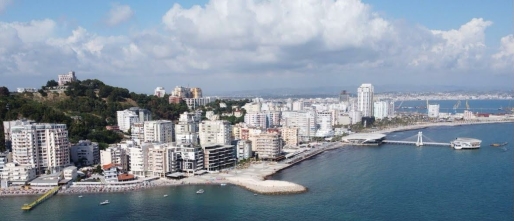
Situated roughly 35–45 minutes from the airport in favourable traffic conditions, the city combines beaches, waterfront restaurants, historic attractions and a more relaxed coastal atmosphere.
The Vollga Promenade, Currila coastline and historic centre provide pleasant surroundings for international visitors staying for several days or weeks.
Comfortable accommodation and easy access to appointments can make a lengthy treatment stay more manageable.
For many international patients, Durrës offers an attractive balance between receiving dental treatment and enjoying time by the Adriatic Sea.
Of course, dental treatment and recovery must always take priority over sightseeing and holiday activities.
Neither city is automatically medically better. Choose your dentist and treatment plan first; then decide which destination suits your needs.
What About Vlorë and the Albanian Riviera?
Albania's southern coastline offers beautiful scenery, but travelling long distances away from the clinic during active treatment can be inconvenient.
If you plan excursions or a holiday, discuss timing with your dentist and keep treatment and recovery your first priority.
Kevin Louwers: Choosing the Right Dental Tourism Destination
Choosing a destination involves much more than comparing treatment prices.
Accessibility, flights, accommodation, communication and the possibility of returning for future appointments should all influence your decision.
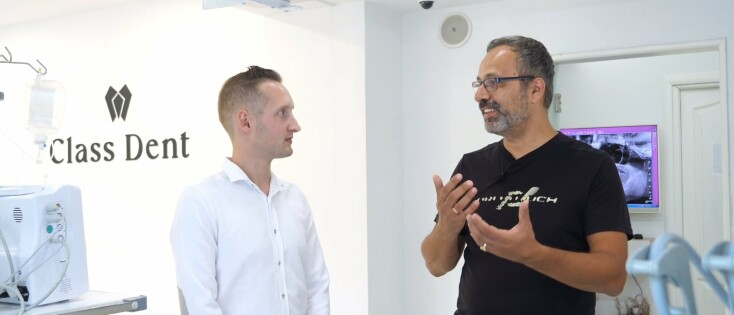
In the following video, Kevin Louwers, International Patient Manager at Dental Tourism Academy, explains why the destination itself deserves careful thought.
Kevin Louwers: The Hidden Burden of Dental Tourism — Travelling Back for Treatment
I always encourage patients to think beyond their first treatment. If you're 55 today, will you still feel comfortable travelling to the same destination when you're 65 or 70?
Dental implants require lifelong maintenance, and circumstances can change. Choose somewhere you feel comfortable, where communication is easy and where you can realistically return in the future.
Dental tourism isn't just about getting your teeth fixed. It's about choosing a destination and a dental team you can rely on for years to come.
— Kevin Louwers, International Patient Manager, Class Dent Medical Clinic & Dental Tourism Academy
For patients considering extensive treatment, an introductory visit may also be worthwhile.
Meeting the dentist, visiting the clinic and experiencing the destination beforehand can provide valuable reassurance before making a major commitment.
Follow Kevin Louwers on LinkedIn for Weekly Dental Tourism Insights.
Follow Kevin Louwers for More Dental Tourism Insights
Interested in learning more about the realities of receiving dental treatment abroad?
Kevin publishes English-language observations and practical advice on LinkedIn, including patient experiences, treatment planning, aftercare and international dental partnerships.
His posts explore both the opportunities and challenges of dental tourism, with particular attention to patient safety, realistic expectations and long-term outcomes.
👉 Follow Kevin Louwers on LinkedIn for Weekly Dental Tourism Insights

Explore our Durrës City Guide on our sister website, Prime Hairlines.
Discover Our Free Durrës City Guide 🌊
To help international visitors discover the city, we've created an extensive English-language Durrës City Guide on our sister platform, Prime Hairlines.
It covers beaches, restaurants, accommodation, historical attractions, transportation and day trips.
Whether you're visiting for dental treatment, a hair transplant or simply a holiday, the guide can help you prepare.
Some of the most enjoyable places to discover include the Vollga Promenade, Currila coastline, Durrës Amphitheatre, the Venetian Tower and the historic city centre.
Patients staying for longer periods may also enjoy discovering local restaurants, traditional Albanian cuisine and the surrounding Adriatic coastline.
👉 Explore Our Durrës City Guide on Prime Hairlines
Not Every Dental Clinic Is Experienced in Dental Tourism
This is something international patients should never underestimate.
A clinic may provide excellent care to local patients but lack the organisation required to coordinate complex treatment for people travelling from abroad.
International dental tourism involves more than qualified dentists. It also requires realistic appointment schedules, clear communication, help with practical arrangements, complete documentation and long-term follow-up.
Be particularly cautious with clinics promising extensive dental restorations within unusually short timeframes.
Patients need enough time for clinical assessment, laboratory work, adjustments and recovery without pressure from a scheduled return flight.
Ten Questions to Ask Before Booking a Dental Clinic Abroad
- Who is the treating dentist, and what relevant qualifications and experience do they have?
- What implant system and restorative materials will be used?
- Will I receive a complete written treatment plan and itemised quotation?
- What could change after the in-person examination?
- How many visits and how much healing time are expected?
- Will temporary teeth be possible in my particular case?
- Will I receive treatment records and an implant passport?
- What are the warranty conditions and exclusions?
- Who should I contact if I experience complications after returning home?
- Can the clinic communicate with a dentist in my home country for ongoing maintenance?
A trustworthy provider should be willing to answer these questions without pressuring you into an immediate decision.
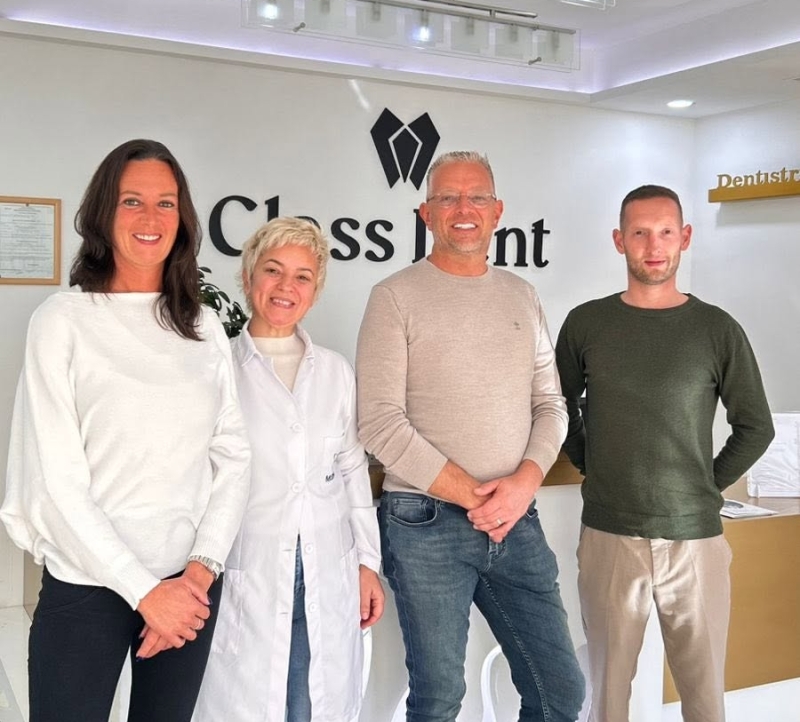
International visitors with Dr. Gentiana Belegu and Kevin Louwers at Class Dent Medical Clinic in Durrës, Albania.
Dr. Gentiana Belegu: When Dental Tourism Becomes Too Commercial
Dental tourism in Albania has changed considerably over the years. As the industry becomes more commercial, we increasingly hear from patients who have experienced problems elsewhere and struggle to get proper support afterwards.
Dental treatment is not simply a product you sell to tourists. It is a medical responsibility that continues long after the patient returns home. My advice is to choose your dentist carefully, ask questions and never allow an attractive price or a short holiday schedule to determine your treatment.
— Dr. Gentiana Belegu, Oral Surgeon & Implantologist, Class Dent Medical Clinic, Durrës
Dental Treatment at Class Dent Medical Clinic in Durrës
Class Dent Medical Clinic is our dental partner in Durrës, Albania.
The clinic is led by Dr. Gentiana Belegu, an oral surgeon and implantologist practising since 2001, and provides services including implant dentistry, crowns, bridges, extractions and extensive restorative treatment.
Our international patient coordination team helps patients understand the process and, where agreed, assists with appointments, accommodation and airport transfers.
Clinical decisions remain the responsibility of the treating dentist.
Patients may arrive with different needs: replacing missing teeth, assessing failing restorations, considering fixed implant-supported teeth or requesting a second opinion after previous treatment.
Not every patient is suitable for every procedure. Bone availability, oral health, medical history, infection and bite relationships may affect the recommended plan.
A Personal Approach to International Patient Care
For patients travelling from another country, dental treatment is rarely just about the clinical procedure.
It can involve organising flights, understanding medical information in another language, arranging accommodation, planning time away from work and deciding how future maintenance will be managed.
A dedicated international patient coordinator can help patients understand these practical matters and communicate with the treating team.
However, patient coordination should never replace professional medical assessment.
The role of the patient manager is to support the patient journey, not to make clinical decisions on behalf of the dentist.
What Does a Typical Dental Tourism Journey Look Like?
Step 1: Initial Enquiry and Preliminary Review
Explain your concerns and, where available, share recent dental imaging or existing treatment plans.
The team can discuss potential options, but a remote review is not a diagnosis.
Step 2: Treatment Proposal and Travel Planning
Review the estimated treatment stages, costs, possible alternatives, expected healing periods and number of visits before booking flights.
Ask which arrangements are included and which costs remain your responsibility.
Step 3: Arrival and Clinical Examination
After arrival, the dentist performs the necessary examination and diagnostics.
The preliminary proposal may need adjustment if new findings emerge.
Step 4: Treatment and Temporary Restorations
Depending on the case, treatment may include tooth preparation, extractions, implant placement, temporary teeth or permanent crowns.
Fixed temporary restorations are possible in selected cases but cannot be promised to every patient.
Step 5: Recovery, Adjustments and Departure
Allow sufficient time for follow-up, bite adjustments and recovery.
The clinical team should determine when departure is appropriate, rather than working backwards from a rigid flight schedule.
Step 6: Long-Term Follow-Up
After returning home, continue routine dental care.
Some implant treatments require a second trip after several months of healing for the permanent restoration.
Don't Rush Your Dental Treatment or Recovery
One of the biggest mistakes patients can make is booking a return flight before understanding how long their treatment may take.
Dental implants, zirconia crowns and full-mouth restorations can require multiple appointments, laboratory work, adjustments and healing periods.
Implant-based restorations often involve two treatment phases separated by several months.
Even treatment planned for a single visit may require extra time if complications or unexpected findings occur.
Your dentist should determine when your treatment is ready to be completed, not your airline ticket.
Never sacrifice treatment quality or recovery time simply to save a few days of accommodation expenses.
Why Implant Treatment Often Requires Two Visits
Dental implants need to achieve stability and integrate with the surrounding bone.
The timing varies depending on the procedure, implant stability, bone condition and general health.
Some patients may be eligible for immediate temporary fixed teeth; others need a different approach.
The final bridge or prosthesis may only be fitted after adequate healing and reassessment.
Never assume that a full-mouth implant restoration can be safely completed in a few days simply because it appears in an advertisement.
What About Aftercare When You Return Home?
Long-term maintenance and follow-up are essential, particularly for patients receiving implants, bridges or full-mouth restorations.
Before choosing a clinic abroad, ask about warranties, treatment documentation, implant passports, maintenance requirements and access to professional support after returning home.
Ideally, the treating clinic should be willing to communicate with dentists in your home country when needed.
This does not mean that every local dentist can repair every implant system, so advance planning matters.
Five Essential Habits for Long-Term Dental Maintenance
- Brush carefully every day. Clean natural teeth, crowns and implant restorations using the technique recommended by your dentist.
- Clean beneath bridges and around implants. Use suitable interdental aids or a water flosser where recommended.
- Attend professional maintenance appointments. Six-monthly check-ups and cleaning are a common starting point, although your dentist may advise a different interval.
- Protect your restorations. Avoid biting very hard objects and use a night guard if prescribed.
- Report problems promptly. Persistent bleeding, swelling, pain, movement or bite changes require professional assessment.
Why Implant Passports and Treatment Records Matter
An implant passport or equivalent documentation identifies the implant system and relevant components.
Without this information, future maintenance or repairs may be more complicated.
Ask for copies of relevant imaging, implant details, prosthetic information and written aftercare instructions before leaving the clinic.
Dental Partners in Your Home Country
We believe international dental tourism works best when patients can continue routine care close to home.
Through our developing professional network, we work to improve cooperation with dental practices, particularly in the Netherlands and Belgium.
Local dentists may be able to assist with diagnostics, professional cleaning, routine checks and some minor problems.
More complex repairs or warranty matters may require direct coordination with the original treating clinic.
International cooperation can help patients maintain continuity of care without assuming that every future appointment must take place abroad.
A patient who chooses dental treatment abroad should not automatically lose access to professional dental care in their home country.
What Happens If Something Goes Wrong?
Complications can occur even after carefully planned treatment.
If you develop significant pain, swelling, fever, persistent bleeding or other concerning symptoms, seek prompt professional assessment locally rather than waiting for a return flight.
Contact the treating clinic, explain the symptoms and share relevant findings from your local dentist where appropriate.
Understand in advance which repairs are covered by any warranty and which travel or third-party costs remain your responsibility.
The cheapest initial treatment plan is not always the most affordable long-term solution.
Financial Preparation Is Part of Responsible Dental Tourism
If an unexpected return trip, additional treatment or urgent local appointment would be financially impossible, consider whether travelling abroad is the right decision at this time.
Dental tourism can be a valuable option, but patients should be prepared for the possibility that the initial quotation is not the final total cost.
This is particularly important for patients choosing dental tourism primarily because they cannot afford treatment in their home country.
Potential complications, additional travel expenses and future maintenance should be considered before making a financial commitment.
👉 Ask Kevin About Treatment Planning, Recovery & Aftercare
Learn More: 175 Frequently Asked Questions About Dental Tourism
At Dental Tourism Academy, we believe international patients deserve transparent information before making important decisions about their dental health.
Based on years of experience coordinating international dental patients in Albania, we've developed an extensive English-language educational platform.
👉 Visit Dental Tourism Academy — English Website & 175 Frequently Asked Questions
Our website includes 175 frequently asked questions about dental tourism, covering:
- Dental implants, zirconia crowns and full-mouth restorations.
- Treatment prices and potential savings.
- Choosing a trustworthy dental clinic abroad.
- Treatment planning, travel and recovery periods.
- Possible complications and additional expenses.
- Warranties, maintenance and long-term aftercare.
Whether you're comparing prices, researching clinics in Durrës or Tirana, or wondering whether dental tourism is right for you, we encourage you to explore our free resources.
👉 Explore Dental Tourism Academy and Our 175 Frequently Asked Questions
Frequently Asked Questions About Dental Tourism in Albania
Is Dental Tourism in Albania Safe?
It can be a reasonable option when patients choose appropriately qualified dental professionals and receive careful assessment, treatment planning and follow-up.
No country or clinic can guarantee a complication-free outcome.
How Much Do Dental Implants Cost in Albania?
Costs depend on the number and type of implants, bone condition, surgical procedures and final restoration.
Ask for an itemised quotation rather than comparing broad advertised package prices.
Are Zirconia Crowns Cheaper in Albania?
They can be substantially less expensive than private treatment in parts of Western Europe, but the comparison should include the type of restoration, preparatory work and any additional procedures.
How Many Trips Are Needed for Dental Implants?
Many implant treatments require two phases separated by a healing period of several months.
The number of visits depends on your clinical situation and treatment plan.
Can I Combine Dental Treatment With a Holiday?
Often, yes, but sightseeing must be planned around appointments and recovery.
Follow postoperative instructions and avoid activities your dentist advises against.
Can My Local Dentist Maintain Implants Placed in Albania?
Many dentists can provide routine implant maintenance.
Repairs involving unfamiliar implant systems may require specific parts, records or specialist assistance.
What Happens If I Experience Complications After Returning Home?
Seek local professional assessment for concerning symptoms and inform the original treating clinic.
Keep records of the findings and check the written warranty conditions.
Should I Visit the Clinic Before Committing to Extensive Treatment?
An introductory consultation can be especially valuable for complex treatment.
It allows you to meet the dentist, discuss alternatives and understand the destination before making a major decision.
Make an Informed Decision Before Travelling
Dental tourism in Albania can offer meaningful opportunities for patients seeking more affordable dental care.
But a successful experience begins with realistic expectations, proper planning and professionals who take long-term oral health seriously.
Choosing a clinic abroad is not simply about comparing prices or looking at before-and-after photographs.
It's about understanding the treatment, the people responsible for it and the support available when you return home.
Take your time, ask questions and remember: good dentistry should never be rushed.
Ready to Explore Your Options in Albania?
Contact Kevin Louwers directly for information about dental implants, zirconia crowns or full-mouth restorations in Durrës.
We can explain the preliminary assessment process and help you understand what the treating dental team will need to review.
👉 Speak Directly With Kevin Louwers on WhatsApp
Our final advice: choose a clinic you would feel confident returning to — not only next year, but ten years from now.
About the Author: Kevin Louwers
Kevin Louwers is a Dutch international patient manager based in Durrës, Albania.
Working with Class Dent Medical Clinic and Dental Tourism Academy, he helps coordinate international dental treatment journeys, practical arrangements, communication and aftercare.
His work has included coordinating care for more than 150 patients from the Netherlands and Belgium, with a focus on realistic expectations, responsible dental tourism and international cooperation.
He regularly publishes English-language insights into the opportunities, challenges and responsibilities involved in dental tourism.
👉 Connect With Kevin Louwers on LinkedIn
Coordinated by Dental Tourism Academy — international patient guidance, dental tourism education and treatment coordination in Albania.
Medical information notice: This article is for general educational purposes and does not replace an individual examination or advice from a qualified dental professional. Treatment suitability, recovery times and outcomes vary by patient.